About Dr. John Health Plans Blog Contact Book an Appointment
Grow
For Parents of Kids & Teens

Helping Kids & Teens With
Knee, Heel & Back Pain
in San Mateo

Knee pain after practice, a sore heel after games, a stiff neck from homework. Growing bodies have their own problems. We find the cause and treat it gently, with you in the room.

✓ 89+ Five-Star Reviews
✓ Parents Always Welcome in the Room
✓ Gentle Care, Adjustments Optional
✓ Serving San Mateo Since 2010
Kids & Teens

Growing fast, playing hard,
sitting for hours

Parents bring two kinds of kids to our office. Some are athletes with knee or heel pain that flares after every practice. Others are students with sore necks and backs from long days at a desk and a heavy backpack. Most are between about 10 and 16 years old, though we see some a little younger and a little older.

Kids aren't just small adults. Growth spurts and growth plates create problems adults never have. But the root cause is often familiar: tight, overworked muscles pulling where they shouldn't. That's good news, because these problems usually respond well to conservative, hands-on care.

Every visit starts with a thorough exam, and we'll tell you plainly if anything needs a pediatrician or further testing. You're welcome in the room the whole time, and spinal adjustments are always your choice.

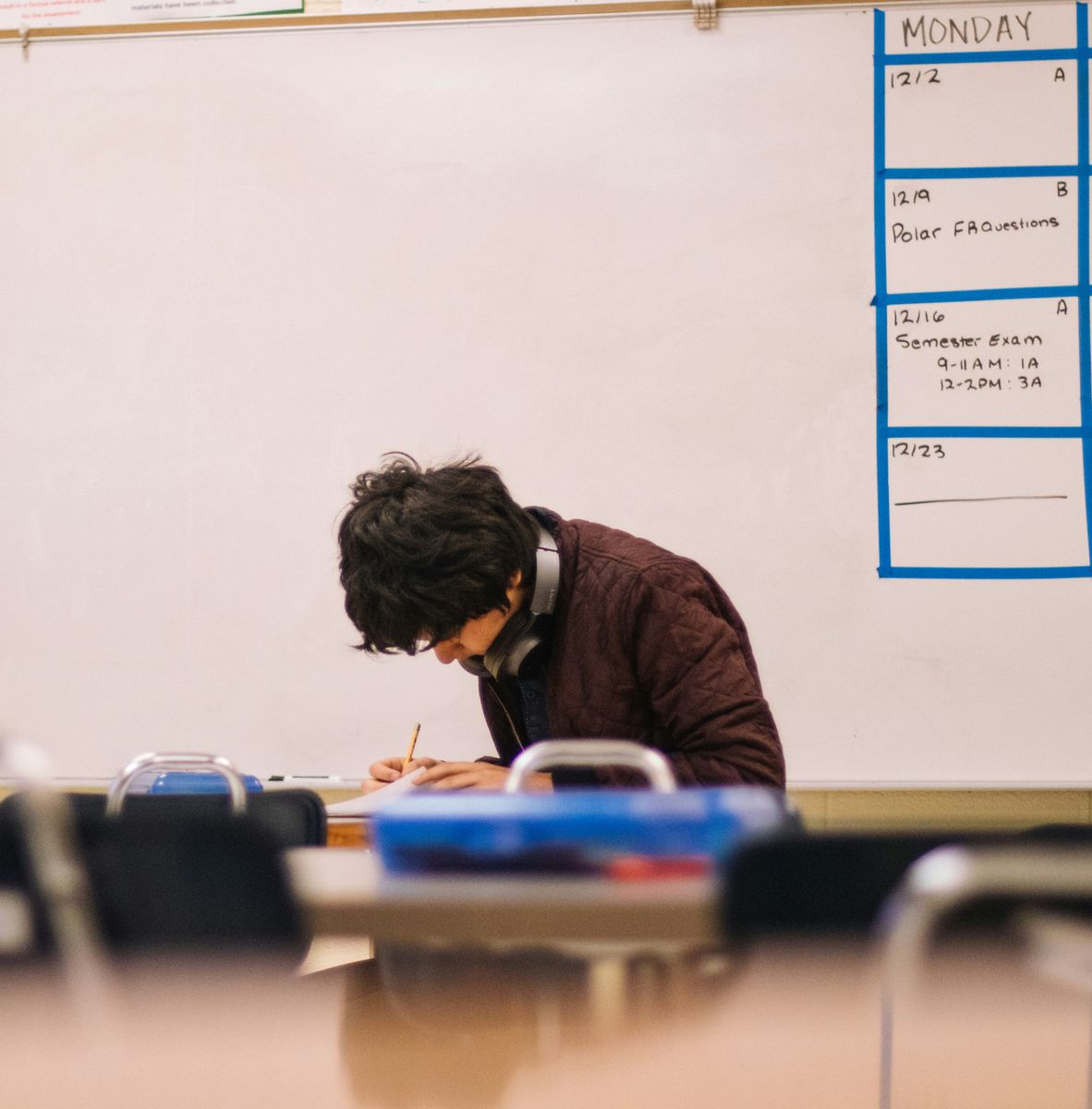
High school student bent over a classroom desk studying — neck and back pain care for students at High Amplitude Health San Mateo
Gentle, Hands-On Care
Young Athletes · Students · Ages 10–16
How We Treat It

The same care adults get,
sized for a growing body

Kids have access to every therapy we offer adults. What changes is the pressure, the pace, and how much we explain along the way.

⟳
Myofascial therapy
Sustained pressure releases the tight muscles pulling on growth plates and tendons, like the quadriceps in Osgood-Schlatter or the calves in Sever's disease. More about myofascial release therapy.
Often the single biggest factor in relieving growth-related knee and heel pain.
◈
Active Release Technique (ART)
Precise, hands-on work on specific muscles and tendons, such as the patellar tendon in jumper's knee or the forearm and shoulder muscles in young throwers. More about Active Release Technique.
Adjusted to your child's comfort level, with constant check-ins.
▷
Assisted stretch therapy
Guided stretching of the quadriceps, hamstrings, calves, and hips, the muscles that tighten fastest during a growth spurt.
We teach the stretches your child should keep doing at home.
◇
Exercise therapy
Strength and balance work that helps young athletes return to their sport and keeps the same injury from coming back. It also helps students hold better posture through a long school day. More about exercise therapy.
Especially important after ankle sprains and shin splints.
▸
Vibration therapy
Calms tight, guarded muscles before hands-on work, useful when an area is too tender for direct pressure at first.
Many kids find this part the most comfortable.
◎
Gentle chiropractic adjusting (optional)
Recommended most for students with posture and backpack strain, where the spine is often involved. Kids' joints move easily, so very little force is needed. More about chiropractic adjusting.
Always the parent's choice. We can still help your child recover without it; it may just take a few extra visits.
◌
Massage therapy
Our staff massage therapist offers therapeutic massage to loosen muscles that are sore and overworked from a heavy sports season or a long school week.
A good fit for kids who need general recovery between treatment visits.
Active & Athletic Kids

When the growth spurt and
the sports schedule collide

During a growth spurt, bones lengthen faster than the muscles and tendons attached to them. Those tight muscles pull hard on the growth plates where tendons attach, and a full practice and game schedule adds repetitive strain on top. Most of what we see in young athletes comes from that combination. That's why releasing the tight muscles doing the pulling, rather than simply benching the child, is usually what gets them better.

01

Osgood-Schlatter (pain below the kneecap)

A tender, sometimes swollen bump just below the kneecap, common in running and jumping sports. Tight quadriceps pull on the growth plate at the top of the shin. Some parents know it as "growing pains in the knee." Adults with knee trouble can read more on our knee pain page.

02

Sinding-Larsen-Johansson (pain at the bottom of the kneecap)

A close cousin of Osgood-Schlatter, but the pain sits right at the lower tip of the kneecap. Same cause, same approach: reduce the pull from tight thigh muscles.

03

Patellar tendinitis (jumper's knee)

Irritation of the tendon between the kneecap and shin, common in basketball and volleyball. It hurts most with jumping, squatting, and stairs.

04

Sever's disease (pain at the back of the heel)

Tight calves and Achilles tendons pull on the heel's growth plate, often in soccer players and runners wearing cleats. Kids may limp or walk on their toes after practice.

05

Shin splints

Aching along the inside of the shin from running volume that climbed too fast. Loosening the calf and shin muscles and adjusting training load usually settles it down.

06

Thrower's elbow and shoulder

Repetitive overhead motion in baseball, volleyball, tennis, and swimming strains the growing elbow and shoulder. We treat the muscles involved and talk with parents about pitch counts and rest days.

07

Low back pain in young athletes

Common in gymnasts, dancers, and football players. Every child gets a thorough exam first. If nothing points to a stress fracture, we start with gentle, conservative care. If your child isn't responding the way we'd expect, we'll refer for imaging at that point.

08

Ankle sprains

Once a fracture is ruled out, soft tissue work and balance exercises speed recovery and help prevent the next sprain. If your child can't put weight on the ankle, get an X-ray first.

Kids heal fast.
Let's use that.

Growing bodies respond quickly to the right care. Most kids feel noticeably better within three or four visits, sometimes fewer, and many keep playing with a few changes to their practice load while we treat them.

3–4
Typical visits for kids and teens
89+
Five-star Google reviews

Serving families in San Mateo, Burlingame, Foster City, Redwood City, Belmont & surrounding areas since 2010.

Book Your Child's Visit →
Students

Homework, screens,
and a heavy backpack

Not every kid we see plays sports. Just as many are students who spend hours bent over laptops, school desks, and phones, then carry a heavy backpack between classes. Growing spines and shoulders feel that load, and the pain often looks a lot like the "tech neck" we treat in adults.

Why adjustments help students most

With posture and backpack strain, the spine itself is often involved. Gentle adjustments restore healthy joint motion, and kids' joints move so easily that very little force is needed. As always, it's the parent's choice.

01

Neck and upper back pain from desks and screens

Hours of looking down at a laptop or phone overload the muscles at the back of the neck, the base of the skull, and between the shoulder blades. We release those muscles and restore motion to the neck and upper back. Adults with the same problem can see our neck, shoulder & upper back pain page.

02

Backpack strain

Research on school backpacks suggests keeping them under about 10 to 15 percent of a child's body weight, and many kids carry more. Carrying on one shoulder makes it worse. We treat the strain and show parents simple fixes: both straps, lighter loads, and the heaviest items closest to the back.

03

Home care that sticks

Once your child is feeling better, Dr. John shows them how to use the same massage ball he designed and gives to every patient, so they can keep their neck and upper back loose between study sessions.

04

Low back pain from long hours of sitting

Sitting all day tightens the hip flexors and weakens the glutes, which pulls on the lower back. Releasing and stretching those muscles usually brings quick relief.

What to Expect

Your child's visit,
with you in the room

Many parents feel unsure about bringing their child to a chiropractor, and that's completely okay. Here's exactly how a visit works, so there are no surprises.

01

A thorough exam, same as for adults

Your child's visit starts the same way an adult's does. Dr. John examines how the painful area moves and what's pulling on it, and asks about sports, school, and when the pain started.

02

Findings explained to you and your child

Before any treatment begins, Dr. John explains what he found to both you and your child, in plain language.

03

You're always welcome in the room

Dr. John encourages it. He talks with you as he works, so you can see for yourself how carefully and safely your child is treated and watch the results firsthand. Many parents are surprised by how much their kids enjoy their visits, adjustments included.

04

Adjustments are your choice

Some parents feel unsure about having their child's spine adjusted, and that's completely okay. Your child has access to every therapy we offer adults. If you'd rather skip adjustments, we can still help your child recover. It may just take a few extra visits.

About Dr. John Blenio

A doctor who played
the sports your kids play

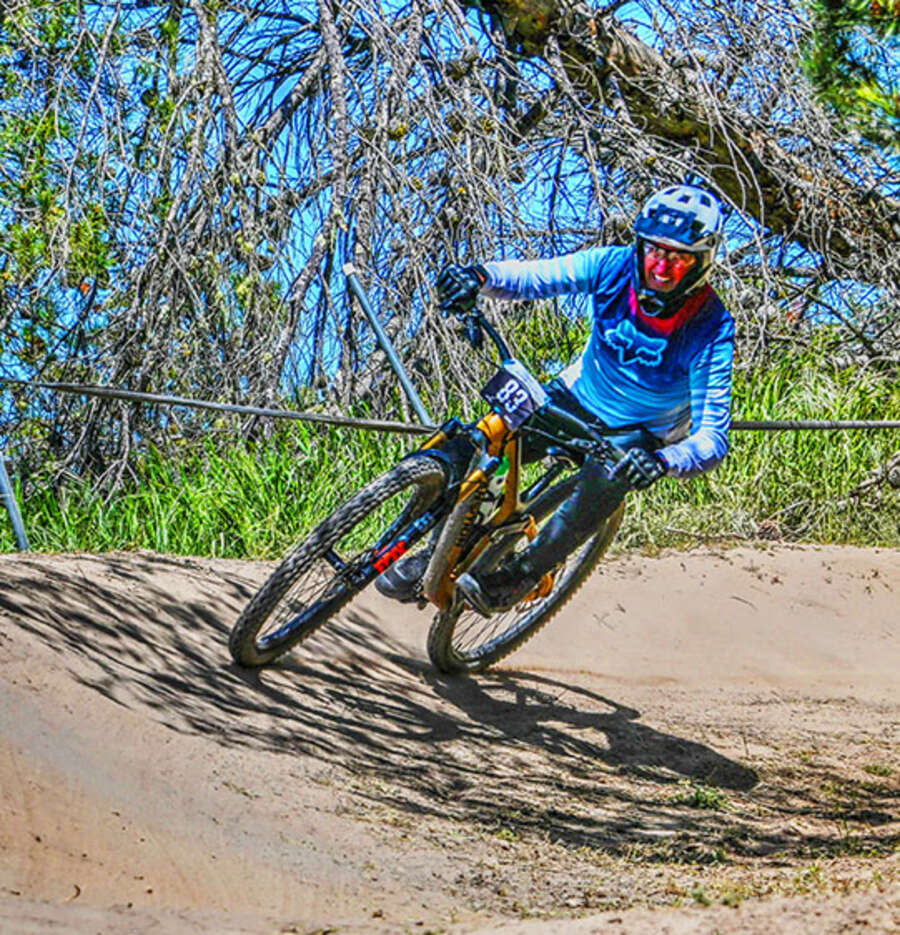
Dr. John Blenio has practiced for 18 years, treating patients in San Mateo since 2010. He grew up playing soccer, football, basketball, and running track, so he knows what it feels like to be a young athlete who's hurting but doesn't want to sit out. Today he still competes as an Enduro mountain bike racer.

With kids, his approach is the same careful one he uses with every patient: a thorough exam, a plain-language explanation for both the child and the parent, and treatment matched to what's actually causing the pain. He talks with parents throughout each visit and wants them to watch the work, so they can see how carefully and safely it's done and see the results for themselves.

✓
Certified in Active Release Technique since 2009 Including the knee, heel, elbow, and shoulder problems common in young athletes
✓
Myofascial & Soft Tissue Specialist Releasing the tight muscles that pull on growing joints and tendons
✓
Exercise Therapy for Young Athletes Rebuilding strength and balance so kids return to their sport and stay there
Dr. John Blenio — Enduro mountain bike racer and youth sports injury specialist, San Mateo
Frequently Asked Questions

Questions parents
ask us

How do you fix Osgood-Schlatter? +
We release the tight quadriceps pulling on the growth plate below the kneecap, using myofascial therapy, Active Release Technique, and assisted stretching. Then we add exercises to keep the pull from building back up. Easing that tension is what calms the knee down.
Does Osgood-Schlatter go away on its own? +
Usually, once your child stops growing, often somewhere between 14 and 18. But that can mean years of pain in the meantime, and some kids are left with a bump below the knee or discomfort when kneeling as adults. Treatment helps your child stay comfortable and active while they grow.
Can Osgood-Schlatter come back? +
Yes, it can flare again during another growth spurt or a heavy sports season. Keeping the thigh muscles loose and strong, with the stretches and exercises we teach, is the best way to prevent it.
Is Osgood-Schlatter genetic? +
It does seem to run in some families. Studies have found it more often in siblings of kids who've had it. But the main drivers are growth spurts and running and jumping sports, and those are things we can do something about.
What is Sever's disease, and do heel cups help? +
Sever's disease (also called calcaneal apophysitis) is irritation of the growth plate at the back of the heel, caused by tight calves and Achilles tendons pulling on it. Heel cups can ease the pressure, but they don't fix the tightness causing it. Releasing the calf and Achilles does.
Does my child have to stop playing sports? +
Often not completely. Many kids keep playing with some adjustments to practice load while we treat them. We'll tell you honestly if a short break is needed.
Is chiropractic safe for kids? +
Yes. Every child gets a thorough exam first, and all treatment is gentle and adjusted to your child's size and comfort. Kids' joints move easily, so adjustments take very little force, and they're always optional.
Can I stay in the room during my child's visit? +
Always. Dr. John encourages it. He'll talk you through everything as he works.
How many visits will my child need? +
Kids respond very quickly to care. Most feel noticeably better within 3 to 4 visits, and sometimes fewer. If you choose to skip spinal adjustments, it may take a few more.
When should we see a pediatrician first? +
If the pain came from a hard fall or collision, your child can't put weight on the leg, there's significant swelling, redness, or warmth, the pain wakes them at night, or they have a fever along with the pain. When in doubt, call us and we'll help you decide.
Back to practice, back to class,
back to being a kid.

Most kids feel better within three or four visits. Book a visit and see the care for yourself, from right there in the room.

Schedule an Appointment

Or call / text us: 650-735-1716