About Dr. John Health Plans Blog Contact Book an Appointment
Relief
Conditions We Treat

Neck, Shoulder & Upper Back Pain
Relief in San Mateo

Drug-free, hands-on relief for neck stiffness, shoulder tension, and upper back pain — getting to the root cause so you can move freely and stay pain-free for good.

89+ Five-Star Reviews
No Drugs or Surgery
16+ Years Treating Neck & Upper-Body Pain
Serving San Mateo Since 2010
Neck, Shoulder & Upper Back Pain

Tech neck, tension,
or something deeper?

Neck pain, tight shoulders, and upper back discomfort are among the most common complaints we see at High Amplitude Health — and among the most undertreated. Nearly 30% of adults experience neck pain each year, yet most settle for temporary fixes rather than getting to the actual source of the problem.

Whether your pain comes from hours at a desk, poor sleeping posture, a whiplash injury, or years of forward head posture from phone and laptop use, our approach combines chiropractic spinal adjusting, Active Release Therapy, and targeted soft tissue work to resolve the underlying dysfunction — not just ease the discomfort temporarily.

The cervical spine, shoulder girdle, and upper thoracic spine share muscles, nerves, and movement patterns. Pain between the shoulder blades is frequently driven by cervical or upper thoracic joint dysfunction, not the mid-back itself. We assess and treat the entire region together — because that's where lasting relief comes from.

If your pain flares up specifically after long days at a laptop or hours spent looking down at a phone, you're not imagining it. This pattern — often called "tech neck" — has become one of the most common reasons San Mateo patients come see us, regardless of age. We've written more about why it happens and how to counteract it in our dedicated guide to tech neck.

Chiropractor treating patient neck pain at High Amplitude Health in San Mateo, CA
Hands-On Care
Chiropractic · ART · Soft tissue therapy
How We Treat It

Where mobility goes,
relief follows

Chiropractic spinal adjusting
Gentle, precise adjustments restore alignment and motion to the cervical and upper thoracic spine — relieving nerve compression, reducing inflammation, and giving you mobility you may not have felt in years.
Especially effective when pain stems from facet joint restriction, disc compression, or structural misalignment causing nerve irritation into the shoulders or arms.
Active Release Therapy (ART)
ART targets the scar tissue, adhesions, and chronically tight muscles in the neck, shoulders, and upper traps that are restricting motion and causing persistent pain. It's one of the most effective tools for tech neck and postural strain.
The scalenes, levator scapulae, and upper trapezius are common culprits in neck and shoulder pain. ART releases these muscles directly — restoring movement and reducing nerve pressure fast.
Myofascial & trigger point therapy
Sustained-compression myofascial therapy is usually the single most effective tool for this pattern — releasing the hypertonic upper trapezius, rhomboids, upper thoracic muscles, rotator cuff, and the deep suboccipital muscles at the base of the skull that build up from hours of static sitting. It deactivates spasm and reduces the referred pain that makes this area feel widespread, dull, or hard to pinpoint.
Many patients are surprised to find that releasing tension across this whole chain — not just the spot that hurts — provides more lasting relief than adjusting the spine alone.
Cervical traction
This gentle technique opens space between the vertebrae, relieving pressure on compressed nerves and disc structures. Particularly effective for disc-related neck pain and radiating symptoms into the arms or hands.
Combined with soft tissue work, cervical traction can achieve results that neither approach produces alone — decompressing the structure while releasing surrounding muscular tension simultaneously.
Assisted stretch therapy
Forward head posture and rounded shoulders place enormous stress on the cervical spine. Guided stretching restores the natural curves and range of motion that prolonged sitting and phone use gradually strip away.
Once you're well into recovery, we also introduce home self-care tools and stretches you continue on your own — so improvement keeps building between visits and the posture-driven pain doesn't come back.
Percussion therapy
Targeted vibration calms hyperactive muscles along the cervical spine and upper back — reducing tension, improving circulation, and accelerating tissue recovery between sessions.
Particularly useful for patients with chronic muscle guarding in the neck and upper traps who can't initially tolerate deeper manual work.
Who It Helps

One region,
many possible triggers

Neck, shoulder, and upper back pain have many causes — and identifying the right one is the key to lasting relief. By far the most common one we see, especially in desk workers and software programmers, is simply sitting at a computer for hours on end. Here are the contributors we see and treat every day.

01

Prolonged computer sitting — the #1 cause we see

Sitting at a computer for 5–12 hours a day, without noticing or correcting the early tension that signals your posture needs to change, is the single biggest driver of neck, shoulder, and upper back pain in our patients — especially desk workers and software programmers. Static posture like this locks up an entire chain of muscles: the upper trapezius, rhomboids, upper thoracic muscles, parts of the rotator cuff, the cervical spinal muscles, and the suboccipital muscles at the base of the skull. Left unaddressed, many people also start slumping or leaning forward as fatigue sets in, which tightens the chest and front-of-shoulder muscles too — turning a one-sided problem into a two-sided one. Each inch of forward head position adds roughly 10 pounds of effective load on your neck. We correct the alignment and rebuild the supporting muscles before it progresses further.

02

Poor sleeping posture

Stomach sleeping with a flat or improper pillow is one of the top causes of morning neck stiffness and chronic upper back tension. We diagnose the root issue and provide practical corrective strategies alongside treatment.

03

Whiplash & auto injury

Even low-speed collisions create significant cervical strain. Early chiropractic care prevents acute whiplash from becoming a chronic pain pattern — and addresses the soft tissue damage that standard imaging often misses entirely.

04

Herniated or bulging cervical discs

Disc issues in the neck can cause sharp local pain and radiating arm symptoms. A combination of adjustments and cervical traction relieves pressure on the disc and the nerves it's compressing — often avoiding the need for surgery.

05

Cervical osteoarthritis

Age-related wear in the neck joints limits motion and causes chronic stiffness. Gentle mobilization and soft-tissue care keep arthritic joints moving and inflammation at bay — maintaining quality of life without reliance on medication.

06

Shoulder tension & rotator cuff strain

Overhead lifting, repetitive arm use, and sports like swimming or tennis strain the shoulder girdle and cervical spine together. We treat both the injury and the movement pattern that led to it.

07

Tension headaches at the base of the skull

Many headaches originate from cervical joint dysfunction and tight suboccipital muscles — not from the head itself. Restoring proper neck alignment and releasing those muscles provides relief that medication alone never quite manages.

08

Rounded shoulders & thoracic spine stiffness

Long hours hunched toward a screen gradually stiffen the mid-back and round the shoulders forward, straining the muscles between the shoulder blades and forcing the whole upper body to work harder just to hold an upright posture. This is one of the most common drivers of the nagging, hard-to-pinpoint ache people describe as upper back pain — and it responds well to spinal adjusting combined with postural retraining.

You don't have to
live with this pain.

Most patients with neck and upper-body pain notice meaningful improvement within just a few visits. Dr. John will identify exactly what's driving your pain — and fix it at the source, not just the surface.

3–6
Average sessions to resolution
89+
Five-star Google reviews

Serving San Mateo, Burlingame, Foster City, Redwood City, Belmont & surrounding areas since 2010.

Book Your First Visit →
What to Expect

Your first visit,
step by step

Starting care somewhere new can feel like an unknown. Here's exactly what happens when you come in for neck, shoulder, or upper back pain — no surprises, no pressure.

01

A real conversation first

Before any hands-on work, Dr. John takes time to understand how your pain started, what makes it better or worse, and how it's affecting your daily life — whether that's turning your head to check a blind spot or getting through a full workday at a desk.

02

A hands-on movement assessment

Dr. John checks how your neck, shoulders, and upper back actually move — testing range of motion, muscle tightness, and joint restriction to pinpoint exactly where the dysfunction is coming from, not just where it hurts.

03

Treatment often starts the same day

If your evaluation points to a clear, treatable cause, we typically begin care at your first visit — an adjustment, targeted soft tissue work, or both — rather than sending you home with just a diagnosis and a follow-up date.

04

A clear plan, not an open-ended one

You'll leave knowing what we found, what we recommend, and roughly how many visits it should take to feel meaningfully better — so you can decide with real information, not guesswork.

About Dr. John Blenio

16 years treating the joint,
the muscle, and the posture

Dr. John Blenio has been treating neck pain, shoulder tension, and upper back conditions in San Mateo for over 16 years. His approach goes beyond what a standard chiropractor or physical therapist offers — combining spinal adjusting, Active Release Therapy, myofascial release, and corrective exercise into a single, integrated plan that addresses all the layers contributing to your pain.

Neck and upper-body pain is rarely just one thing. It's typically a combination of joint restriction, tight and hypertonic muscles across the whole upper back and neck chain, and poor posture — often with a nerve component layered in. Sustained-compression myofascial therapy is usually the biggest lever for releasing that hypertonicity, with Active Release Therapy, trigger point work, and vibration therapy added in as needed. For more involved or long-standing cases, exercise therapy is layered in to build lasting stability. Dr. John's training allows him to assess and treat all of these simultaneously, rather than addressing them in isolation or referring you elsewhere.

Whether your pain started last week from sleeping wrong or has been with you for years from desk work, the goal is the same: identify the true cause, correct it with hands-on care, and — once you're roughly 70% improved — teach you how to keep it that way at home. Every patient leaves with a massage ball Dr. John designed himself, "The Best Massage Ball Ever," at no charge, along with hands-on instruction in how to use it.

Chiropractic Spinal Manipulation 16+ years of precision adjusting for cervical and thoracic conditions
ART Certified — Spine & Upper Extremity Targeting nerve entrapments, postural strain, and soft tissue adhesions
Corrective Exercise & Rehab Specialist Posture retraining and movement correction to prevent recurrence
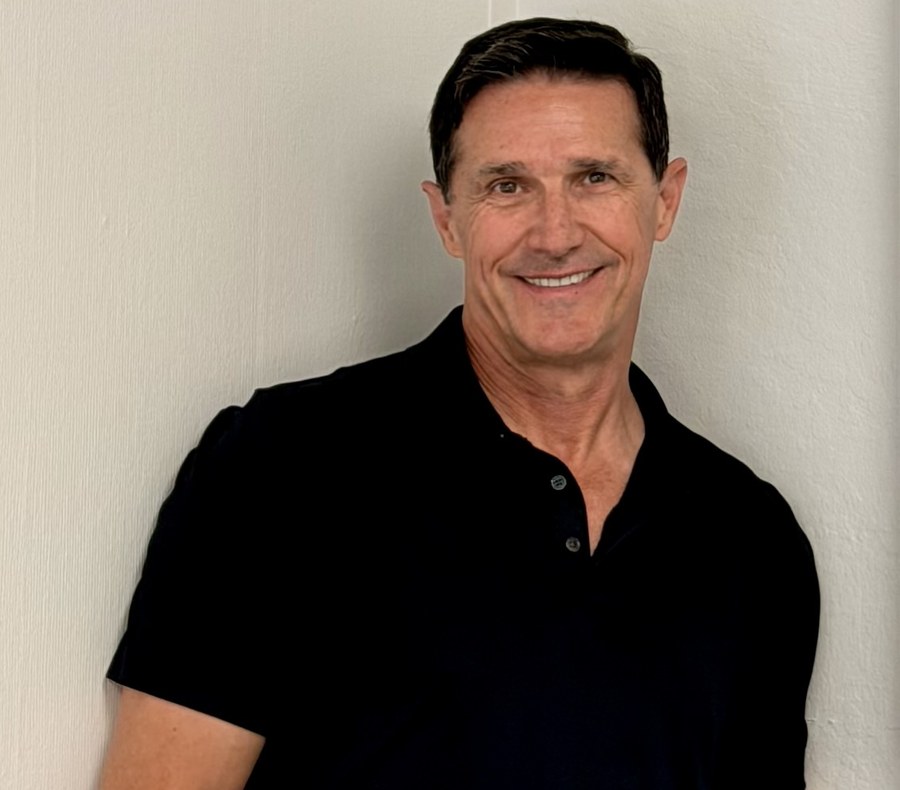
Dr. John Blenio — Chiropractor at High Amplitude Health, San Mateo
Self-Care At Home

Your massage ball,
shown start to finish

A walkthrough of how to use "The Best Massage Ball Ever" — the one every patient goes home with — to roll out tension across your neck, shoulders, and upper back on your own.

Frequently Asked Questions

What patients ask
most often

Should I see a chiropractor or a medical doctor for my neck pain? +
Chiropractors are specifically trained to diagnose and treat the musculoskeletal and nervous system causes of neck pain — joint misalignment, muscle stiffness, pinched nerves, disc problems. If your pain is musculoskeletal in origin (which most neck pain is), a chiropractor is often the most direct path to relief. That said, if you're experiencing sudden neurological symptoms like significant weakness or loss of coordination, we'll refer you to the appropriate specialist.
Can a chiropractor fix a stiff neck? +
Absolutely — this is one of the most common things we treat. Sometimes a stiff neck resolves on its own in a day or two, but when it lingers, it usually indicates an underlying joint or muscle issue that responds very well to chiropractic care. Targeted adjustments, specific stretches, and a few sessions of soft tissue work typically resolve even stubborn stiffness that has been present for weeks.
How does chiropractic care actually relieve neck pain? +
Chiropractic adjustments restore proper motion to cervical joints that have become restricted or misaligned. When a joint moves correctly, pressure is relieved on nearby nerves, surrounding muscles naturally relax, and your body stops sending those persistent "something's wrong" pain signals. We combine spinal adjustments with soft-tissue therapies like ART and myofascial release to address both the joint and the muscles at the same time — which is why results come faster and last longer.
Do you treat shoulder pain and upper back pain too, or just neck pain? +
All three — and they're often connected. The cervical spine, shoulder girdle, and thoracic spine share muscles, nerves, and movement patterns. Pain between the shoulder blades is frequently driven by cervical or upper thoracic joint dysfunction, not the mid-back itself. We assess and treat the entire region, not just where it hurts.
Is chiropractic neck treatment safe? +
Yes. Chiropractic care is well-supported by research as a safe and effective first-line treatment for neck pain. Every new patient at High Amplitude Health undergoes a thorough evaluation before any hands-on treatment. If we identify anything that makes chiropractic care less appropriate for your situation, we'll tell you clearly and point you in the right direction.
How quickly will I feel better? +
Many patients feel noticeable improvement after just one or two sessions. For acute neck or shoulder pain, relief often comes quickly — sometimes within the first visit. Chronic pain or long-standing postural issues typically require more sessions, but most patients see meaningful progress within 3–6 visits. Dr. John will give you an honest timeline based on your specific condition — no vague open-ended treatment plans.
My neck pain keeps coming back. Can you help? +
Recurring neck and shoulder pain is usually a sign that the root cause was never fully addressed — only the symptoms were treated. Dr. John's approach identifies the underlying drivers (joint restriction, soft tissue adhesions, postural imbalance, movement dysfunction) and corrects them. Many patients with years of recurring neck pain find lasting resolution with this approach, particularly when posture correction and corrective exercises are included in the plan.
What's the difference between a massage and chiropractic care for neck and shoulder tension? +
Massage relaxes surface-level muscle tension, which feels good and provides temporary relief. Chiropractic care goes a step further — restoring proper motion to the underlying joints, addressing the deeper soft-tissue adhesions that Active Release Therapy targets, and identifying why the tension keeps building up in the first place, often a joint restriction or postural pattern that massage alone can't correct. Many patients benefit from soft tissue work as part of a broader chiropractic visit rather than as a stand-alone service.
I work from home — can my posture cause permanent damage? +
Prolonged poor posture rarely causes permanent structural damage the way an acute injury might, but it can create very real, persistent dysfunction — chronically tight muscles, restricted joints, and postural patterns that become the body's new "normal" if left unaddressed for years. The good news is that this kind of dysfunction responds well to treatment at almost any stage; the sooner it's addressed, the fewer sessions it typically takes to correct.
What happens if I ignore this pain for years? +
It doesn't usually stay in one place. For most patients this starts as tightness and tension that comes and goes — but if the early signals are consistently ignored, that same static posture can eventually lead to real spinal changes: degenerative joint disease, bulging discs, and even spinal stenosis. At that point, non-surgical care still helps, but it takes longer, and surgery sometimes becomes part of the conversation. The good news is that catching this early — treating the muscle tension before it becomes a structural problem — is usually enough to avoid that path entirely.
Do I have to be adjusted, or can I still get better if I'd rather not be? +
Chiropractic adjusting is genuinely helpful here — it restores motion to the cervical and upper thoracic spine and is often what provides the fastest relief — so Dr. John does recommend it for most patients. It's never required, though. If you'd rather not be adjusted, he can still help you improve using Active Release Therapy, myofascial release, cervical traction, and assisted stretching on their own. Interestingly, many patients who start out preferring to skip adjustments end up trying them later, once they've seen their results improve and built trust in the process — but that's always your choice, never something we push.

Turn your head freely again.
Let's get you there.

Join hundreds of San Mateo patients who've found lasting relief from neck, shoulder, and upper back pain — without drugs, injections, or surgery — using Dr. John's hands-on, root-cause approach.

Schedule an Appointment

Or call / text us: 650-735-1716